What This Article Covers
Discover how to make the first 50 learner logbook hours productive, enjoyable, and less stressful by building confidence, developing safe driving habits, and avoiding common supervising mistakes.
The First 50 Hours Feel Like the Longest
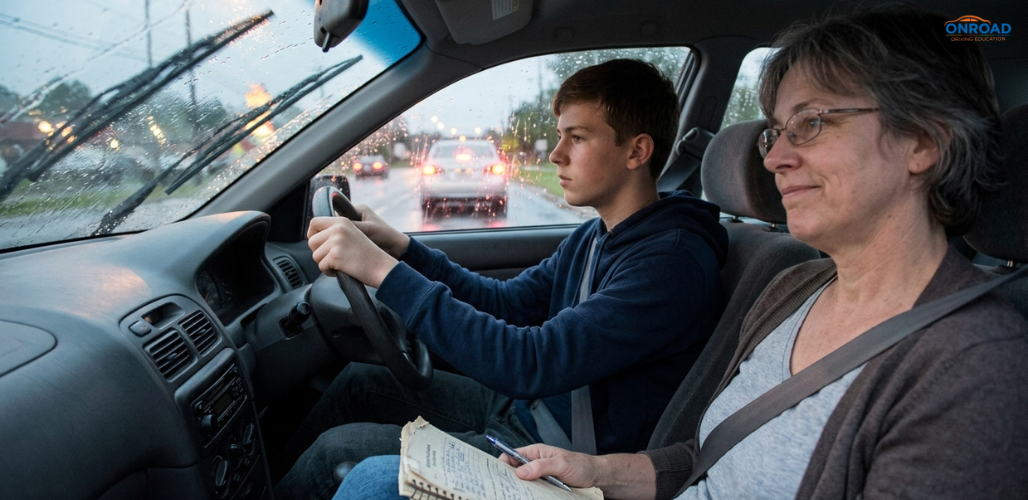
Logbook hours may seem like an unnecessary hassle to your teen, but as parent’s you know how important they are. This is the time when your child goes from operating a car with basic skills to learning to drive in live, unpredictable traffic on Sydney roads. If you’ve never supervised a teen before, the first 50 logbook hours can be equally thrilling, frustrating, and overwhelming for both you and your child. Every drive brings new mistakes, unexpected situations, and that constant need to remind them about mirrors, speed, and road position.
But you need to realise that this isn’t about filling a logbook. These logbook hours are supposed to help your kids build habits that will stay with them long after they’ve passed the driving test. Whether you're supervising your kid’s driving from home or combining it with a professional driving lesson through a Sydney Driving School, focus on improving their road awareness, hazard perception, judgement, and decision-making skills rather than simply accumulating hours.
Forget the Hours. Focus on Habits.
Most drivers and parents make the mistake of thinking too much about the hours and not paying much attention to the driving. While it’s easy to become fixated on numbers, you must learn not to lose your focus. Completing the logbook hours isn’t the main goal. The real goal is to develop safe, consistent driving habits in your child. A calm 30-minute drive where your child practises good observation, smooth braking, and sound decision-making often teaches far more than two stressful hours spent battling traffic. So, instead of thinking about the number of hours you did today, focus on what new skill you improved. That small change in mindset shifts the focus from simply ticking boxes to becoming a safer driver.
Start Small and Let Confidence Grow
Kids are restless and want to learn new things every day. But you must realise that taking too many challenges without proper preparation will only lead to failure. So, if you introduce challenges in driving early on, it might end up affecting your child’s confidence. It's tempting to think that more challenging roads will help learners improve faster, but confidence doesn't usually work that way. You need to start small and master the basics first, and move on to a new challenge only after mastering the previous one. For example, quiet suburban streets allow learners to master the fundamentals before adding extra pressure. So, once those familiar streets stop presenting new challenges, that means it's time for multi-lane roundabouts and other complex challenges. Similarly, handling other challenges like night driving and bad weather should be taken up gradually after you’ve mastered multi-lane roundabouts. You must give them the right challenge at the right time to build confidence without overwhelming them.
Give Every Drive a Purpose
Your child can’t learn everything at once, no matter how simply you teach them. And you don’t need to cover everything in every practice session either. In fact, your child will likely learn faster if each drive has one clear objective. For example, you can focus on roundabouts one day and practise parking the next day. You can teach lane positioning and focus on their observation skills at intersections in the next logbook hour. Once you’re confident in their skills, you can start introducing more difficulties like handling night driving and bad weather challenges in their progressive logbook hours. Having a clear goal keeps both of you focused on it. By the end of the drive, you'll both have a better sense of what improved and what still needs practice.
Let Them Think Before You Speak
As parents, it’s only natural that you feel the urge to correct your child’s mistakes as soon as you notice them developing. However, you need to ask yourself: is it really helping your kid? If every decision comes from the passenger seat, your child will never develop confidence in their own judgement. It's one of the reasons professional instructors often remain quieter than parents expect during a driving lessons. They know learners need time to observe, think, and act on their own.
So, what you can do is change instructions into inquiries. Instead of telling them to move into the right lane, you can ask them which lane they think they’ll need. Rather than warning about every hazard, encourage your child to identify it first. These small conversations help transform learners from people who follow instructions into drivers who make safe decisions independently.
Some Days Simply Won't Go Well
There are bad days in learning to drive too. Some days your child will seem more confident than ever. Other days they might make mistakes they stopped making weeks ago. But you both need to remember this is completely normal.
Fatigue, school, work, weather, and nerves can all affect driving performance. Rather than becoming frustrated, recognise that progress happens over time, not in perfect daily improvements. Sometimes ending a lesson early and starting fresh another day is the smartest decision you can make.
Celebrate Milestones, Not Just Logbook Hours
The most memorable moments usually aren't when the logbook reaches another milestone. They're the moments when your learner achieves something that once seemed impossible. Their first smooth reverse park. Their first successful lane change in moderate traffic. Their first confident drive through a busy intersection. These wins deserve recognition because they represent genuine progress. As your learner continues improving, they'll naturally become ready for bigger challenges, whether that's navigating more complex roads, tackling multi-lane roundabouts, or driving after sunset.
Final Thoughts
The first 50 logbook hours may feel like the hardest part of learning to drive, but they're also the most valuable. They lay the foundation for every skill your learner will build in the months ahead. Whether you're supervising your kid’s driving test practise at home or complementing it with driving lessons from a professional Sydney driving school, patience, consistency, and encouragement will always produce better drivers than pressure ever could.
At Onroad Driving School, we work alongside families to help learners build confidence from their very first drive through to test day. Our experienced instructors provide structured driving lessons, practical feedback, and real-world experience that complement supervised practice at home. Combined with programs like the Safer Drivers Course, our goal is simple: helping every learner become a safe, confident, and independent driver for life.
Frequently Asked Questions
1. What should parents focus on during the first 50 learner logbook hours?
A: Focus on building strong driving habits, confidence, observation skills, and decision-making rather than simply accumulating hours.
2. How often should learner drivers practise?
A: Short, regular practice sessions are generally more effective than occasional long drives because they help reinforce skills consistently.
3. Should every driving session have a specific goal?
A: Yes. Focusing on one or two skills, such as parking, roundabouts, or lane positioning, makes each practice session more productive.
4. When should learners move beyond quiet suburban streets?
A: Once they are comfortable with basic vehicle control, observation, and decision-making, they can gradually progress to more complex driving environments.
5. Do professional driving lessons help alongside supervised practice?
A: Absolutely. Professional instructors provide structured guidance, objective feedback, and practical techniques that complement the experience learners gain with supervising drivers at home.