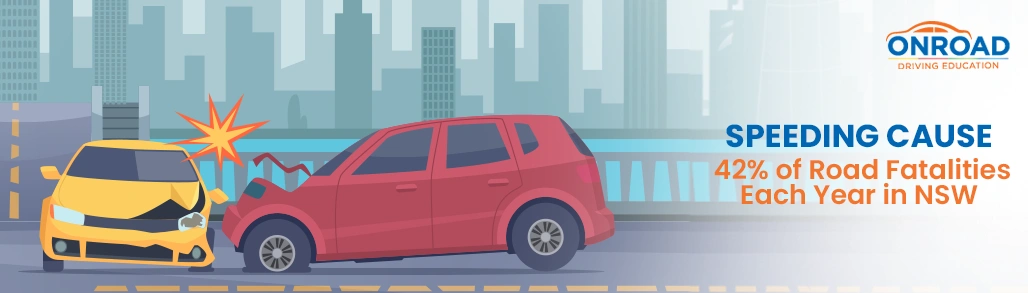
One of the leading causes of road deaths in NSW, speeding contributes to 42% of fatalities every year. More than a mere number, this toll is a reminder that the loss of lives in such accidents can often be avoided by following the speed limits. Whether you’re a new learner, a seasoned driver, or any other road user, understanding the perils of speeding is important for all. Driving schools in Australia have the crucial job of teaching the importance of speed limits to new drivers through programs like the Safer Drivers Course. Some Sydney driving schools also offer Free Safer Drivers Course options for eligible drivers to encourage them to drive safely. These programs can help shape the driving behaviour of future drivers and give us smarter, more responsible road users. This post will explore why speeding is dangerous and what you can do to stay safe.
The Danger of Speeding
Speeding kills, and the rising number of road deaths due to speeding is proof. Driving at high speeds reduces reaction time and increases the force of impact in a collision, making them more fatal. And it doesn’t just endanger the driver, it puts other road users like passengers, pedestrians, cyclists, etc., at risk too. Even the smallest of hikes in the speed of a vehicle can have a huge impact. That’s why if you drive even slightly over the speed limit, your risk of serious crashes increases significantly. For example, going just 5 km/h over the speed limit can double your chances of being involved in a severe crash. See what an impact even a tiny difference in speed can have? Speed limits on roads are set to avoid these crashes. They’re not just guidelines for drivers, they’re a traffic rule set to safeguard the lives of road users.
Why Drivers Speed
Despite knowing the significant risks of speeding, many people prefer to speed. Have you ever wondered why? More often than not, it’s the pressure of everyday lives - trying to reach a meeting on time or rushing to catch that cricket match after working late. Some drivers underestimate the risks because they think they’re good drivers and can handle a little bit of speed while driving. And then some drivers, especially youngsters, speed because they overestimate their driving skills while looking for some thrills or give in to peer pressure. No matter the reason or your confidence in your driving skills, the fact remains that speeding is dangerous. When you drive at high speeds, your stopping distance and reaction times increase, and your control over the vehicle can decrease, increasing the risk of accidents.
What’s Being Done
Australian road authorities have noticed the rising threat of speeding and taken measures to address the problem. Here are some actions taken by the Australian authorities to dissuade drivers from speeding:
-
Enforcing speed limits through mobile speed cameras and double demerits.
-
Raising awareness for safe driving habits and changing the driving culture through public awareness campaigns like ‘Towards Zero’.
-
Encouraging safer driving habits and making drivers aware of the real-life impact of unsafe driving through driving schools and community-based programs.
Despite all these efforts, road fatalities remain high. Clearly, more work needs to be done to make the roads safer.
Urgent National Action Required to Address Rising Road Fatalities
Speeding is one of the leading causes of accidents on Australian roads, making it a rising threat that needs to be addressed quickly. Recent reports show that in 2024, Australia recorded 1300 road deaths, the highest national toll in 15 years. NSW also reported a steady toll of 340 deaths while Victoria saw a slight decrease from 296 to 281. This sharp increase has reversed years of progress in road safety and sent a clear signal: we need to do more, together.
The main reasons for these lethal crashes, also called the ‘Fatal Five’, are:
-
Speeding
-
Distracted Driving
-
Driving Under the Influence
-
Fatigue
-
Not Wearing Seatbelts
A spokesperson from the National Road Safety Authority recently said, “Despite ongoing education campaigns, risky behaviours continue to result in hundreds of preventable deaths”. What we need today is the collective effort of governments, communities, and most importantly, road users themselves to address this national crisis and restore road safety.
What You Can Do
So, what can you, a road user or a driver, do to help? Start by following the speed limit. Speed limits are there to save lives, and obeying these limits is also a legal requirement. Even if you’re a few minutes late when reaching somewhere, following the speed limits and driving safely should be a priority. Drivers should remember that reaching the destination alive is more important than reaching there a few minutes earlier. Driving within the speed limits gives you more time to react, more control over your car, and a much better chance of avoiding a crash altogether.
Safe driving starts with drivers making safer choices. And a Free Safer Drivers Course is the best place to start developing safe driving habits. These courses teach drivers important real-world skills like hazard perception, defensive driving, road awareness, traffic rules and road risks, etc. All these skills are important for staying safe on the road. However, it’s important to choose a good, renowned driving school or Safer Drivers Course Provider to learn.
Education is Key: Driving Schools Lead the Way
Driving schools can play a big role in creating awareness and developing safe driving habits in future drivers. At Onroad Driving Education, one of NSW’s most awarded driving schools, we’re committed to more than just helping you pass your test. Our goal is to build confident, safe, and responsible drivers for life.
As CEO Ronak Shah puts it, “Driver education is not just about passing a test - it’s about saving lives.”
As a recognised Safer Drivers Course provider, we offer tailored lessons for learner drivers, corporate fleets, international licence holders, and NDIS participants. Our focus is on real safety - on giving you the tools to navigate every situation with care and confidence.
Let’s Make NSW Roads Safer - Together
Speeding puts the driver and other road users in danger. So, is it really worth the risk? While every road death is a tragedy, most of these can be prevented by simply following the traffic laws, like speed limits. And yet, many drivers speed and break other traffic rules due to a lack of awareness regarding the dire consequences of their actions. When drivers start taking responsibility for their actions, we can work towards creating safer roads for everyone. Stronger driving education, more public awareness campaigns and programs like the Free Safer Drivers Course can help take us forward in this direction.
So, start by slowing down and following the speed limits. Drive safely, drive smartly. And if you're just starting your driving journey, find a trusted Safer Drivers Course provider in Sydney like Onroad Driving Education and build the skills that could save your life - or someone else’s!
Frequently Asked Questions
Q1: What percentage of deaths on NSW roads do you think are related to speed every year?
A: Speeding is one of the leading causes of road deaths in NSW, contributing to almost 42% of fatalities every year.
Q2: What is the biggest killer on NSW roads?
A: While speeding is one of the biggest causes of road deaths in Australia, other major causes also include distracted driving, not wearing seatbelts, driving under the influence of drugs and/or alcohol, and fatigue.
Q3: What are the fatal 5 driving?
A: The fatal five in terms of driving and road safety are: speeding, distracted driving, driving under the influence, fatigue, and not wearing seatbelts.
Q4: How many people died on the roads in NSW in 2024?
A: In 2024, Australia recorded 1300 road deaths, the highest national toll in 15 years, and NSW alone reported a toll of 340 deaths.