What This Article Covers
This article explores why the choices you make behind the wheel matter so much and highlights simple yet powerful driving choices that can prevent accidents, protect lives, and help create safer roads for everyone.
The Choices You Make Behind the Wheel Matter
Ever had your Sydney driving school instructor go on and on about staying safe and being accountable for your actions on the road? You might think of it as being over-cautious, but being alert, cautious, and careful on the road is essential. Every time you get behind the wheel, you make decisions that affect not only your safety but also the safety of everyone around you. It’s one of the first things that learners learn from their initial driving lessons. Whether you’re an experienced driver or a learner training in the Safer Drivers Course, understanding how and why your choices matter is essential for every driver. In this blog, we’ll explore what life-saving choices we make (or we should make) every day and why they matter.

Life-Saving Choices You Can Make Today
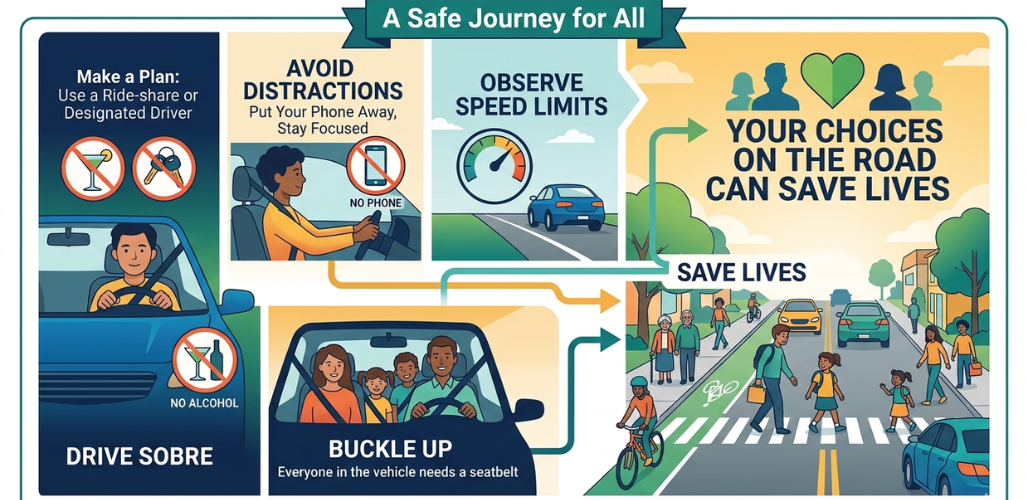
When you’re behind the wheel, even the smallest of decisions will have consequences. Your choices can either improve road safety or increase the risk of an accident for you and other road users. Here are some good, safe choices you should develop as habits for enhancing road safety:
Avoid Using Your Phone
Even a second’s distraction on the road can cause a serious accident or even prove fatal. And mobile phones are today’s biggest distractions, especially when driving. No matter how much you justify using phones while driving, it is and will remain a distraction. Just glancing at a notification for a second can reduce your reaction time and increase your chances of missing potential hazards. So, try your best to stay focused on the road and not pay attention to the phone. Keeping your phone out of reach or using do-not-disturb modes can help remove unnecessary distractions.
Slow Down And Follow Speed Limits
One of the leading causes of accidents in Australia, and globally, is speeding. When you drive faster than the posted speed limits or the speed that the road conditions require, your reaction time reduces and increases the impact of an accident. Speed limits are there to guide you. But when driving in the real world, you must adjust your speed and slow down or accelerate according to the current traffic. It can help you stay in control and respond to unexpected situations promptly.
Stay Sober and Sharp
When you drive drunk or high, it impairs your judgment, coordination, and reaction time. Driving tired can have a similar effect, slowing your ability to react to hazards promptly and appropriately. As drivers, you should understand your limits and avoid driving if you’re tired, unwell, or not sober.
Buckle Up for Every Trip, Every Seat
While often underestimated, seatbelts are actually the simplest and one of the most effective safety measures in a vehicle. If you have to stop suddenly or you face a collision, seatbelts can prevent you from getting thrown out of your seat and facing fatal injuries. So, choosing to wear seatbelts every time you’re in a vehicle on the road is a responsible choice, not just for your safety but also for the safety of your passengers. No matter how short the trip, you should always wear a seatbelt. Many Sydney driving school also insist on reinforcing this habit as it saves lives.
Stay Alert and Be Predictable
Being different and having a unique personality is admirable in life. But when you’re driving, being predictable is essential for safe driving. So, make sure other drivers understand what you’re doing and what you’re planning on doing next. Use indicators, check blind spots, and follow road rules so that other drivers can anticipate your actions and react accordingly. Clear communication on the road reduces the risk of sudden or dangerous situations and helps prevent confusion and accidents.
Set the Right Example
When you drive on the road, you’re not alone; other drivers are there with you, watching and learning. Especially, new drivers or learners often observe experienced drivers and adopt similar habits. So, if you choose to drive safely, follow the rules, and be calm, confident, and alert while driving, these learners would also learn the same thing. Alternatively, if you drive irresponsibly, they will also learn to be rash while driving. So, ensure you lead by example and know safe driving techniques like those taught in training programs like the Safer Drivers Course.
Safe Driving Creates a Ripple Effect
Ever heard of the ripple effect? Every safe decision you make has an impact beyond your own vehicle. When drivers act responsibly, it creates a safer environment for everyone on the road and also inspires other drivers to be responsible. If you choose safe behaviour like slowing down, staying alert, and following road rules, you’ll encourage young learners to do the same. Over time, they’ll also become safe drivers, thus reducing the risks of accidents and improving road safety.
Conclusion: Small Choices, Big Impact
Safe driving is not about one big action — it is about making the right choices every time you drive. From putting your phone away to staying alert and buckling up, each decision plays a role in protecting lives.
Whether you are learning through a driving lesson or improving your skills with a trusted Sydney Driving School, building these habits helps you become a more confident and responsible driver. With the right guidance and support through Onroad Driving Education, drivers can develop real-world awareness and safer driving habits that last a lifetime.
Every trip is an opportunity to make safer choices. And those choices can save lives.
Frequently Asked Questions
Q1. Why are small driving decisions so important?
A: Small decisions like slowing down, staying focused, and wearing a seatbelt can prevent accidents and protect lives. Safe driving is built on consistent, responsible choices.
Q2. How can distractions affect driving?
A: Even a brief distraction, such as checking your phone, can reduce reaction time and increase the risk of a crash. Staying fully focused is essential for safe driving.
Q3. What are the most important habits for safe driving?
A: Key habits include obeying speed limits, avoiding distractions, staying alert, wearing a seatbelt, and being predictable on the road.
Q4. How does driver behaviour influence others?
A: Drivers, especially experienced ones, set an example for learners and young drivers. Safe habits encourage others to follow road rules and drive responsibly.
Q5. How can I improve my driving safety skills?
A: Taking structured training, such as a Safer Drivers Course or lessons with a professional driving school, can help build awareness, confidence, and safer driving habits.