What This Article Covers
In this article, we will discuss why driving skills continue to develop after licensing, how new drivers can build experience, and how parents and instructors can support safer driving habits.
The Test Is Over. The Learning Isn't
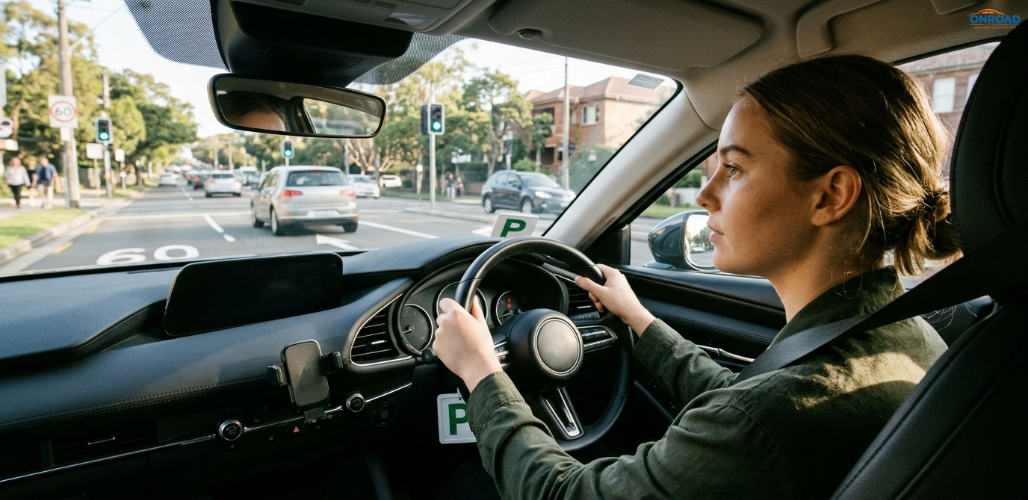
Most learner drivers think that passing the driving test is the ultimate achievement after which they can drive like experienced and cool drivers. The excitement you feel on finally getting behind the wheel alone after hours of supervised practice is understandable. But getting your licence does not mean you have experienced every challenge the road can bring. In fact, this is when a new stage of learning begins. Refresher driving lessons and continued practice can help you work on skills that only develop through experience.
Consider how organisations approach workplace driving. In its October 2026 road safety update, Suncorp described a programme that combines mandatory driver training with telematics, licence checks, and ongoing compliance monitoring for employees who drive as part of their work. The underlying principle is simple: getting a driving licence isn’t the only thing that matters. Safe driving also requires attention, responsible behaviour, and an ongoing commitment to improvement. The same thinking applies to newly licensed drivers.
The Difference Between Passing and Being Experienced
There’s a difference between being test-ready and road-ready. A practical driving test checks whether you have the required driving skills and standards to be able to drive without supervision. It will assess your vehicle control, observation, decision-making, and how you respond to road conditions. However, no test can expose you to every situation you might encounter once you start driving independently. You may have practised familiar routes with an instructor or parent, but what happens when you need to navigate an unfamiliar intersection, drive in heavy rain, or respond to another motorist making an unexpected move? Simply knowing the road rules isn’t enough in these situations. You also need sound judgement, anticipation, and the ability to make decisions without someone guiding you through them. Your licence gives you the opportunity to develop those abilities through independent driving. It does not mean you have nothing left to learn.
Why Those First Months Behind the Wheel Matter
The first year of independent driving can be particularly challenging. Australian road safety research identifies the first six to twelve months of solo driving as an important period of increased crash risk for novice drivers. One reason is that new drivers are still building experience. They may know how to perform a manoeuvre correctly but find it harder to recognise a developing hazard or judge how another road user might behave.
The NSW DRIVE study, which examined more than 20,000 provisional drivers aged 17 to 24, found that those reporting higher levels of risky driving behaviour had a 50% higher adjusted crash risk than those reporting lower levels. This highlights an important point: safe driving is not only about controlling a vehicle. It is also about the decisions you make behind the wheel. Speeding, following too closely, taking unnecessary risks, or allowing distractions to affect your concentration can all influence how safely you respond to changing road conditions.
Are You Ready for What the Road Throws Your Way?
You might have learnt about the Fatal 5 of road safety with your Sydney driving school lessons. But they’re not the only challenges you will face on the road. Once you start driving independently, you may encounter situations you haven’t faced during your lessons. Each one gives you an opportunity to build experience, provided you approach it carefully. Here are some challenges you might face:
-
Driving an unfamiliar vehicle: Different cars have different dimensions, mirror positions, blind spots, controls, and braking responses. You should take the time to understand these differences before setting off.
-
Navigating unfamiliar routes: New roads can involve complex intersections, unexpected lane changes, and unfamiliar signs. You must plan your route before driving and allow enough time to make decisions.
-
Driving at night or in wet weather: Reduced visibility and changing road conditions require greater attention. You should adjust your speed and following distance to suit the conditions.
-
Managing passengers: Conversations, music, and passenger behaviour can distract you. You should ensure you can concentrate, and convey it to your passengers to behave appropriately if necessary, particularly when driving in unfamiliar or demanding conditions.
While these are the usual challenges you might encounter while driving, you don’t need to tackle all of them at once. You can build your experience gradually and avoid driving in conditions beyond your current ability.
Every Drive Has Something to Teach You
Most new drivers remember the journeys that go smoothly. But some of the most useful learning can come from moments when something catches you off guard. Perhaps a vehicle brakes suddenly in front of you, you approach an unfamiliar roundabout and feel unsure about which lane to take, or another driver's actions leave you with little time to respond. Instead of brushing off the experience, take a moment to think about it. Ask yourself:
-
Did I recognise the situation early enough?
-
Was there anything I could have done to give myself more time?
-
Did I feel comfortable making the decision, or was I unsure?
-
What could I practise before facing a similar situation again?
Parents can encourage these conversations without making every mistake feel like a failure. A calm discussion about what happened and what could be done differently next time is more useful than criticism. The aim is to help new drivers become aware of their decisions and recognise where they may need more practice.
Keep Practising, Even After You Pass
Practice should not simply mean driving the same route repeatedly. It should give you opportunities to develop different skills and become more comfortable with a range of road situations. Work on areas such as hazard perception, maintaining a safe following distance, planning unfamiliar journeys, and recognising potential risks at intersections. When it is safe and appropriate, gain experience in different traffic conditions and at different times of day.
Watch Some Small Tips: https://www.youtube.com/shorts/4ImffyzgcUQ
If a particular situation continues to make you nervous, or you are unsure whether you are handling it correctly, professional instruction may help. A driving instructor can observe your decisions, identify areas for improvement, and provide targeted guidance. The NSW Safer Drivers Course is another example of structured driver education, but it is designed for eligible learner drivers, not P-platers seeking post-licence refresher training. Newly licensed drivers can instead consider individual driving lessons focused on the skills they want to develop.
Learning Shouldn't Stop at the Licence
Getting your licence is something to be proud of. It represents the effort you have put into learning, practising, and meeting the requirements to drive independently. But becoming a capable driver takes more than passing one test. Every journey brings opportunities to develop better judgement, recognise hazards earlier, and make safer decisions. Whether you are a new P-plater or a parent supporting one, remember that learning does not have to stop when the test is over. Practising safe driving and taking refresher driving lessons whenever possible can help you improve your visual and hazard perception, and psychomotor skills.
If you would like guidance with a particular driving skill or situation, Onroad Driving School can help you build experience through professional driving lessons in Sydney. The right support can help you approach unfamiliar challenges with greater understanding and confidence.
Frequently Asked Questions
Q1. Should you take refresher driving lessons after getting your licence?
A: Refresher lessons are not compulsory, but they can help newly licensed drivers practise specific skills, address areas of difficulty, and gain experience in unfamiliar situations.
Q2. How long does it take to become a confident driver after passing the test?
A: There is no set timeframe. Confidence and judgement develop through regular driving experience, exposure to different conditions, and learning from challenging situations.
Q3. Are driving lessons useful for P-platers in NSW?
A: Yes. P-platers can take professional driving lessons to work on skills such as hazard perception, night driving, and navigating unfamiliar roads.
Q4. Can parents help their children become safer drivers after they get their licence?
A: Yes. Parents can encourage open conversations about driving experiences, offer constructive feedback, and demonstrate responsible driving habits.
Q5. Is the NSW Safer Drivers Course available to P-platers?
A: No. The NSW Safer Drivers Course is designed for eligible learner drivers who meet the course requirements. It is not a post-licence refresher course.