Have you ever seen a racehorse run in a race? It has blinders on its eyes so it cannot see anything in its peripheral vision, only what is in front. So, while it can win a race running straight, a racehorse cannot perform as well on a track full of hurdles coming from all sides. The blinders block the vision and make it difficult for the horse to judge what’s coming from the side. Driving without side mirrors is also similar to this! Driving school instructors always stress the importance of checking side mirrors from the very first driving lesson. And rightly so! Side mirrors give you visibility even in the periphery. Moreover, they help cover any blind spots so that a driver is aware of all sides of the vehicle. In this post, we’ll explore the importance of checking side mirrors while driving and discuss some tips for their correct use.
Importance of Checking Side Mirrors
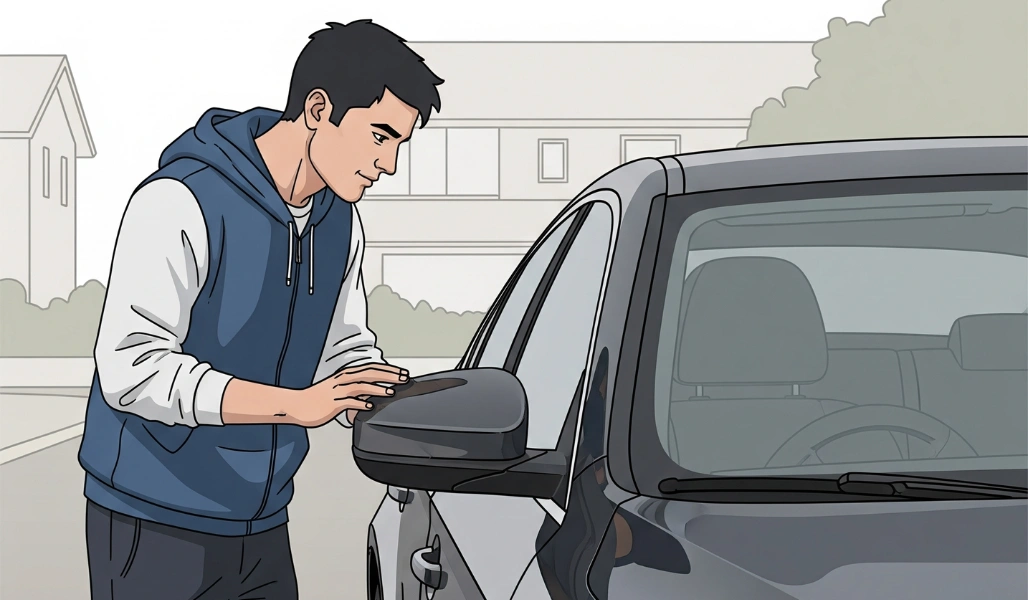
Placed on both sides of your vehicle, side mirrors offer views of adjacent areas that your rearview mirror may not cover. They are crucial to check the road conditions and positions of other vehicles, pedestrians, etc., when changing lanes or taking a turn. Here are the key reasons for checking side view mirrors regularly while driving:
Increases the Driver’s Field of Vision
Side view mirrors are designed to provide drivers with a view of all sides of the vehicle. Usually, a driver can see only what’s ahead and beside the vehicle. When driving on the road, it’s important for drivers to get a view of all sides of the road ahead and behind them. With rearview mirrors, you can see what’s directly behind them, but with side mirrors, you can increase your field of vision to the periphery. It can help you see more area around your vehicle.
Eliminating Blind Spots
Blind spots are areas around the vehicle that are beyond the driver's field of vision. When driving, if a vehicle has a blind spot and another vehicle, cyclist, or pedestrian enters that spot, the driver won't be able to notice the other person or vehicle. In such cases, if the driver tries to change lanes or take a turn, it may lead to a collision. Side mirrors are placed to prevent such mishaps by eliminating the blind spots in the area beside the vehicle.
Preventing Rear-End Collisions
While rearview mirrors cover the area behind the vehicle, they cannot provide visibility of the area just behind the vehicle. Side mirrors, when adjusted properly, help provide some visibility of this area, which can be a great help in preventing rear-end collisions when driving.
Ensuring Safe Lane Change
When your driving school instructors ask you to check your mirrors before changing lanes, it's not just them being overly cautious. Checking the side mirrors before changing lanes can help you avoid a vehicle rushing over from behind. It is essential for ensuring you and others are safe when changing lanes.
Improve Overall Road Awareness
Beyond eliminating blind spots, side mirrors are also helpful in increasing the driver's overall road awareness. By providing views of the area beside the vehicle, they help increase peripheral visibility and show what's happening on the road around the vehicle.
Tips for Proper Side Mirror Use
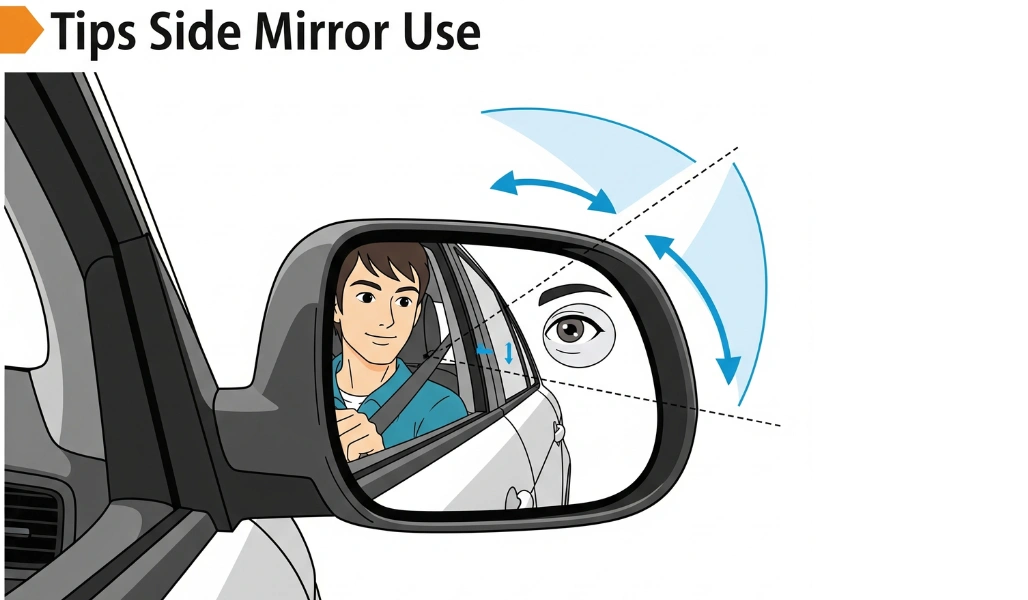
Side mirrors are essential for safe driving. But their proper use is also important to get their benefits. Here are some tips to ensure proper use of side mirrors:
Adjust Your Mirrors
For proper elimination of blind spots, you must adjust the position of your mirrors. Setting the mirror properly can give you a larger view of your surroundings. First, adjust your driver’s seat. To adjust the driver’s side mirror, position it such that the road behind you is visible. Make sure that you can see just a small sliver of your car in the driver’s side mirror. Similarly, for the passenger side mirror, adjust it so that you can see a small part of the other rear end of the car.
Check Mirrors Often
To stay safe and prevent accidents, it’s essential for drivers to keep checking the mirrors frequently. This helps them stay aware of the incoming traffic and road surroundings while driving. Especially when changing lanes or taking a turn, or merging, drivers should check the mirrors first to ensure they have a clear road and then execute their turn or maneuver.
Combine with Shoulder Checks
Along with mirror checks, safe driving also includes regular shoulder checks. Looking over your shoulder every time you stop at a red light or stop sign, or when you’re changing lanes, can help you check your blind spots thoroughly without missing anything. Even if you’ve missed some areas in the rear and side mirrors, a shoulder check can ensure you check these places out too. Always try to combine shoulder checks with side mirror checks when changing lanes, merging, taking a turn, or doing any other road maneuver.
Conclusion
Driving without using mirrors is much like reading a book with half the pages ripped out. You will be able to read and get some idea of the book, but you’ll never get the full story and are likely to miss important parts. Side mirrors can help fill in those blanks by eliminating blind spots and increasing your field of vision. That’s why drivers are taught right from their first driving lessons to keep checking their mirrors frequently. If you’re also a new learner trying to become a safe and competent driver, learn the right use of mirrors from a good instructor or driving school like Onroad Driving Education. We offer a wide range of carefully constructed courses with expert professional trainers and a convenient 24/7 online booking system. Reach out and learn more about how Onroad can help you become a safer and better driver.
FAQs
Q: Why is it important to check your mirrors?
A: It’s essential for drivers to keep checking the mirrors frequently to stay safe and prevent accidents. This helps them stay aware of the incoming traffic and road surroundings while driving.
Q: How important is a side mirror to the driver?
A: Placed on both sides of your vehicle, side mirrors offer views of adjacent areas that your rearview mirror may not cover. They are crucial to check the road conditions and positions of other vehicles, pedestrians, etc., when changing lanes or taking a turn.
Q: How do side mirrors improve road safety?
A: Beyond eliminating blind spots, side mirrors are also helpful in increasing the driver's overall road awareness. By providing views of the area beside the vehicle, they help increase peripheral visibility and show what's happening on the road around the vehicle, thus improving road safety.
Q: What is the purpose of side-view mirrors?
A: Side mirrors give you visibility even in the periphery. Placed on both sides of your vehicle, side mirrors offer views of adjacent areas that your rearview mirror may not cover. Moreover, they help cover any blind spots so that a driver is aware of all sides of the vehicle.
Q: What should you see in your side mirrors when driving?
A: Your side mirrors should allow you to see the lane next to yours and just a little back corner of your vehicle. They should be positioned such that they give you a clear view of the road and traffic behind you.
Q: How should I set the mirrors of my car?
A: To adjust the driver’s side mirror, position it such that the road behind you is visible. Make sure that you can see just a small sliver of your car in the driver’s side mirror. Similarly, for the passenger side mirror, adjust it so that you can see a small part of the other rear end of the car.