By Ronak Shah
What This Article Covers
In this article, we will explore how NSW drug driving laws work, the penalties for first and repeat offences, how roadside testing works, and what to do if you’re unsure it’s safe to drive.
What Counts as Drug Driving in NSW?
You had a big night out, and yet you feel completely normal the next morning. No dizziness, no obvious effects, just your usual self. So, you get behind the wheel thinking all’s well. But what if a roadside drug test tells a different story? In NSW, feeling fine doesn’t mean you’re okay to drive. You might still have drugs in your system. The NSW Police roadside saliva tests screen for THC (cannabis), methamphetamine, MDMA (ecstasy) and cocaine. So, even if you don’t feel the effects of the drug, if it gets detected in your system in the tests, it’s counted as an offence. Having a prescribed illicit drug detected in your system is a different offence from driving under the influence of drugs. While driving impaired carries much more serious consequences, having a prescribed illicit drug detected in your system is also considered an offence that leads to penalties and even licence suspension. Let’s learn more about what these consequences are and how you can stay safe.
What Are the Penalties for Drug Driving?
The penalty depends on the offence, whether it’s a first or repeat offence, and whether a penalty notice is issued or court deals with the matter. For driving with a prescribed illicit drug present, NSW penalties include:
-
First offence: A $722 penalty notice fine and a three-month licence suspension if dealt with by penalty notice.
-
First offence dealt with in court: A maximum fine of $2,200 and a licence disqualification of three to six months.
-
Repeat offence: A maximum court-imposed fine of $3,300, with a minimum six-month disqualification. The maximum disqualification can be unlimited.
Driving while under the influence of drugs is more serious. For a first offence, the maximum court-imposed fine is $3,300, the minimum licence disqualification is 12 months, and a prison term of up to 18 months may apply. Repeat offences can attract harsher penalties. These are different offences, so the penalties should not be treated as interchangeable. You can check the current details on the NSW Government’s drug driving penalties section.
What Happens If You’re Caught by Police?
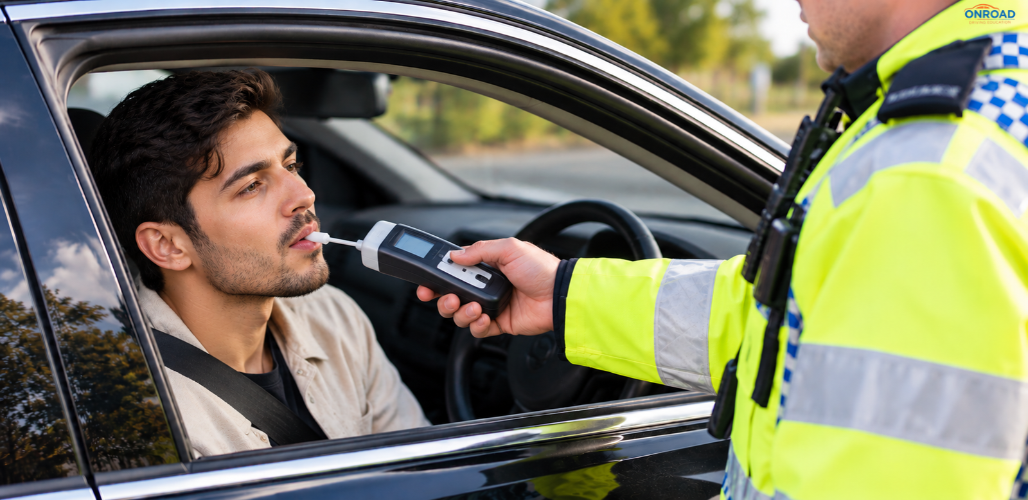
NSW police often conduct roadside drug tests on drivers, usually with a saliva swab. If the result of this test returns positive, they’ll conduct further tests to confirm the presence of the drug. You may be required to provide another sample for laboratory analysis. So, if you’re caught by the police with any of the prescribed illicit drugs present in your system, you must agree to further tests. Refusing a lawful test can lead to separate charges and penalties, and you must also not drive while waiting for the test results. A positive roadside result does not mean the testing process is complete. However, it is a serious warning to follow police instructions and take the situation seriously.
How Drugs Can Affect Your Driving
Safe driving depends on being able to notice hazards, make decisions, and react quickly. Drugs can interfere with all three. Depending on the substance and how it affects you, you may experience slower reactions, poor concentration, altered perception, or reduced judgment. You might misjudge the speed of another vehicle, miss a change in traffic, or react too late when someone steps onto the road. You might believe you’re capable of judging whether you can drive safely, but in reality, your judgment in this matter may also be affected. That’s why most Sydney driving school instructors emphasise avoiding driving under the influence when teaching new learners. Because you’re putting not just yourself at risk, but also your passengers, pedestrians, and other drivers who are relying on you to make safe decisions.
What If You’re Taking Prescription Medication?
Most people think that if they have a prescription for the drug or medication, it means they’re safe to drive. However, that’s not true. Some medicines can cause drowsiness, blurred vision, or slower reactions, especially when you first start taking them or change your dose. So, driving while impaired, even with prescription medicines, remains a serious offence. Always read the medicine label, follow your doctor’s advice, and speak with your doctor or pharmacist if you’re unsure whether it’s safe to drive. You should also check the latest NSW Government guidance before relying on any exemption.
What Should You Do If You’re Unsure It’s Safe to Drive?
If you’ve taken drugs and aren’t sure whether you can drive safely or lawfully, don’t take the risk. Even if you’re feeling normal and sober, the drug may still be present in your system. Simply trusting your instincts isn’t a reliable way to know whether a drug is still detectable or affecting you. Instead, arrange a taxi or rideshare, catch public transport, ask someone sober and unimpaired to drive, or stay overnight somewhere safe. There’s no journey so urgent that it’s worth risking a crash, losing your licence or facing a criminal charge.
Make the Safe Choice Before You Start the Car
Drug driving can affect far more than your ability to get from one place to another. It can put lives at risk, disrupt your work and family life, and lead to serious legal consequences. If you’re learning to drive, building safe habits starts with understanding your responsibilities every time you get behind the wheel.
Ready to become a safer, more confident driver? Book a driving lesson with Onroad Driving School today. Our instructors can help you develop the skills and judgement you need to make safer choices on the road.
Frequently Asked Questions
Q1. What is the penalty for drug driving in NSW?
A: For a first offence involving a prescribed illicit drug, the penalty notice fine is $722 and a three-month licence suspension applies if dealt with by penalty notice. Court penalties vary by offence and circumstances.
Q2. Can you lose your licence for having illegal drugs in your system?
A: Yes. Driving with a prescribed illicit drug present can result in licence suspension or disqualification. Driving while impaired can lead to longer disqualification periods and possible imprisonment.
Q3. Can NSW police randomly drug test drivers?
A: Yes. NSW Police can conduct random roadside drug testing using saliva swabs. Drivers can also be tested in other circumstances permitted by law.
Q4. How long can drugs stay detectable in a roadside saliva test?
A: There is no single timeframe that applies to everyone. Detection depends on the substance, the amount taken, frequency of use, and individual factors. Don’t rely on a specific number of hours as proof that you can legally drive.
Q5. Is driving with prescription medication in your system illegal?
A: Not necessarily. Some prescribed medicines can be used legally, but driving while impaired by medication is an offence. Special rules can apply to certain substances, so seek medical advice and check the current NSW rules if you’re unsure.
Q6. What happens if you fail a roadside drug test?
A: A positive roadside screening result may lead to further testing and a period when you cannot drive. A charge may follow if laboratory testing confirms the relevant drug. Follow police instructions and do not drive while prohibited from doing so.
Q7. Are the penalties harsher for repeat drug-driving offences?
A: Yes. Repeat offences can lead to higher maximum fines and longer licence disqualification periods. Serious offences, including driving under the influence, can also carry imprisonment.