What This Article Covers
This article explains what “drive to condition” means and why it’s important for road safety. With this write-up, drivers can learn how to apply it in real-world situations across Sydney.
Why Driving to Condition Matters
Have you ever wondered why there are so many rules and conditions beyond speed limits and traffic signals when driving? Many of us just assume that obeying traffic lights and speed limits is enough to stay safe while driving. But talk to any experienced instructor at a reputed Sydney driving school, and you’ll learn that safe driving goes beyond numbers on a sign. It also includes other skills and knowledge, like hazard perception, judgment, decision-making, and rules like “drive to condition”. And “Drive to condition” is one of the most important concepts taught during a driving lesson. It means adjusting how you drive based on what’s happening around you.
Whether it’s heavy traffic, misbehaving weather, challenging road conditions or even your own chaotic state of mind, learning to drive safely in such conditions is important. So, if drivers understand the “drive to condition” concept, it can help prevent accidents and improve road safety.
What Does “Drive to Condition” Actually Mean?
Don’t know what driving to condition actually means? It means adapting your speed, spacing, and decisions to suit the current road and driving environment, rather than sticking to the posted speed limit. Speed limits on the roads are designed for ideal conditions, which means clear weather, good visibility, light traffic, etc. However, these conditions don’t stay the same all the time. They keep changing with the weather or traffic conditions. So, drivers need to respond according to the changing conditions, adjust their speed, maintain a shorter or longer distance, etc. When the drivers learn to read the road conditions and adjust their behaviour accordingly, they can stay in control of their vehicle.
Why Driving to Condition Matters
But why is it so important to drive according to road conditions? Because blindly following the posted limits is like inviting trouble. Road environments are unpredictable. From changing weather to fluctuating traffic conditions and uneven road surfaces, there are a lot of things that can crop up suddenly and pose a challenge for the driver. If drivers rely only on speed limits without considering these factors, they increase their risk of accidents. Even reputed Sydney driving schools and programs like Safer Drivers Course teach such defensive driving techniques to learners to ensure their safety. Driving to condition helps drivers to reduce their stopping distance, improve reaction time, avoid sudden hazards, and stay in control of their vehicle.
Common Examples of Driving to Condition
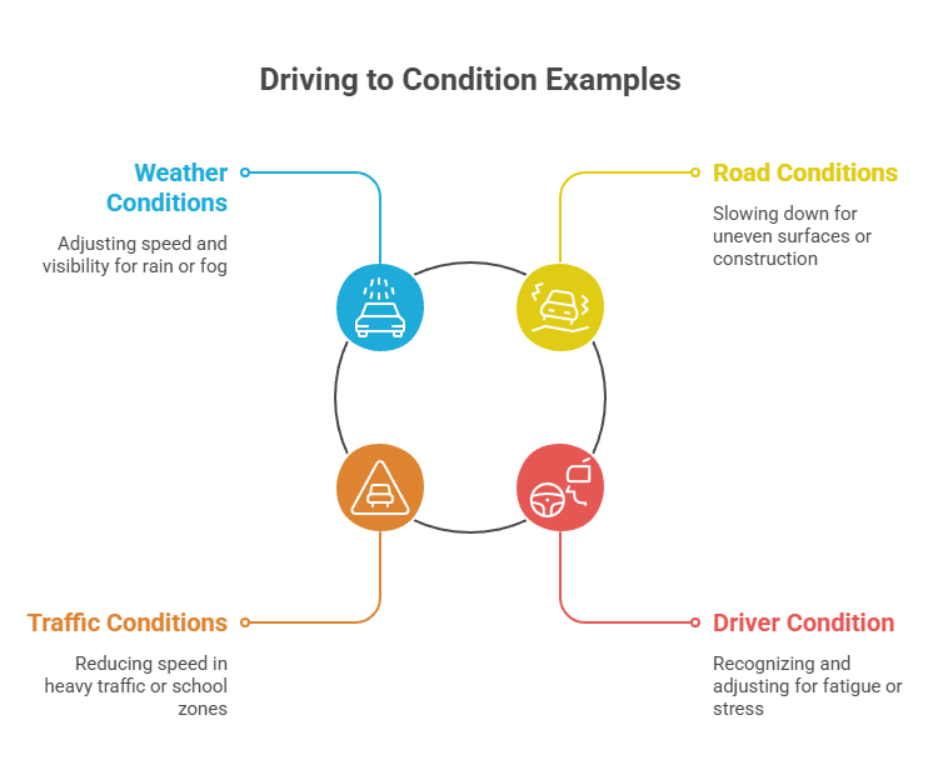
Still not sure what driving to condition entails? Here are a few examples to clear things up for you:
Weather Conditions
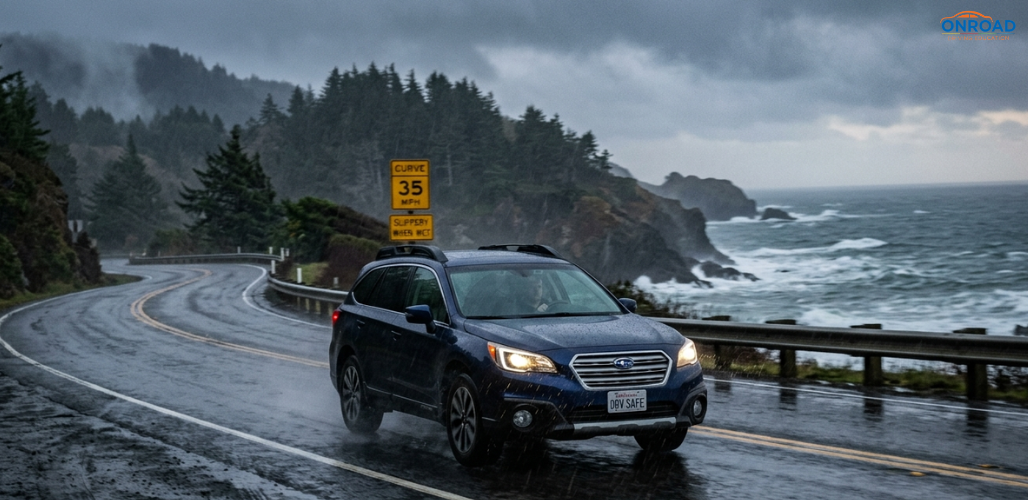
Wet roads reduce tyre grip, making braking less effective, while fog reduces visibility. Changing weather requires drivers to adjust their driving accordingly. You must slow down, turn on the headlights, and increase your following distance.
Road Conditions
Road conditions are unpredictable. Some roads have uneven surfaces or potholes, while on other occasions, you're driving on gravel roads or construction zones that require extra caution. You must adjust your driving according to the road conditions and slow down when required. Slowing down helps maintain control and prevents damage to the vehicle.
Traffic Conditions
Heavy traffic tries not just your patience, but also your driving skills and vehicle control. When you’re in heavy traffic, near school zones, or around pedestrians, you should stay alert and reduce your driving speed. These areas usually have heavy traffic and challenging conditions that make sudden stops and unpredictable movements more likely.
Driver Condition
Your own state, whether physical or mental, matters just as much as the road. Fatigue, stress, or reduced visibility can affect reaction time and decision-making. A responsible driver should recognise these factors and adjust accordingly.
Let’s try to understand this with a real-world scenario. Imagine you’re driving on a highway with a speed limit of 100 km/h. While this is a safe speed for a clear day, weather changes can make things difficult. If it starts raining heavily, visibility drops, and the road becomes slippery. On such roads, driving at 100 km/h increases your stopping distance and reduces control. The logical action here is to slow down, turn on the headlights, and increase the distance between vehicles. A simple adjustment, but it can help drivers stay safe and have ample time for an appropriate response, thus reducing the risk of accidents.
Building the Habit of Driving to Condition
“Driving to condition” is not something to learn on the go. It’s a habit you must build over time. Instructors at Sydney driving schools often teach learners to scan their surroundings constantly and anticipate risks. They emphasise observing road and weather changes constantly, adjusting speed before reaching hazards, maintaining safe following distances, and staying alert and focused. And with regular practice these habits become second nature, helping drivers stay safe in any condition.
Safety Over Speed
As drivers, you must remember that every road, every day, and every drive is different. So, when we say driving to condition, it means putting your safety first, no matter the situation. When facing conditions like changing weather or heavy traffic, you must adjust your driving to match the conditions. By adjusting your driving, you reduce the risk of accidents and improve your control over the vehicle, thus boosting confidence. Whether you’re taking driving lessons with a trusted Sydney driving school, like Onroad Driving School, or gaining experience on your own, this approach can help you become a safer, more confident and more responsible driver.