What This Article Covers
Learn when the Keep Left rule applies in NSW, the key exceptions, common misconceptions, and how proper lane discipline improves traffic flow, road safety, and driving confidence.
Ever had your driving instructor drill you about ‘Keeping left unless overtaking’? All drivers know about the keep left rule but not everyone fully understands what it is and when it actually applies. You often notice drivers staying in the right lane for no reason, or get frustrated if the traffic slows down because lanes are not being used correctly. That's why instructors at professional Sydney driving school focus on teaching lane discipline and how the role in road safety and traffic flow.
The Keep Left rule is designed to improve safety, reduce congestion, and help traffic move more efficiently. Whether you're in NSW or any other state, understanding how and when the rule applies is an important part of becoming a safer and more considerate driver.
When Does the Keep Left Rule Apply?
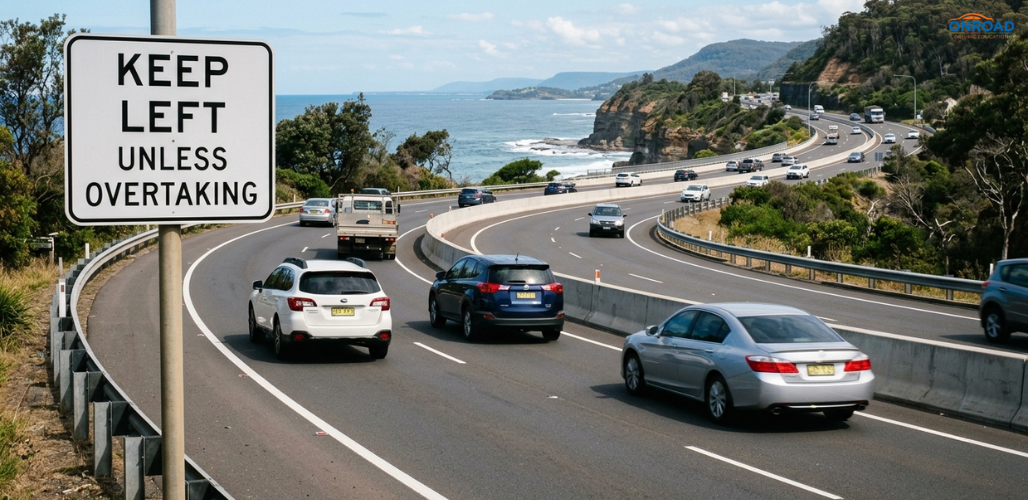
So, when do you have to follow this rule in NSW? Here, the Keep Left Unless Overtaking rule generally applies on multi-lane roads where the speed limit is over 80 km/h. So, when you're driving on freeways, motorways, and higher-speed roads, you should remain in the left lane unless you are overtaking another vehicle or if it's legally alright. It helps traffic from getting congested without reason and prevents you from sudden lane changes or risky overtaking behaviour.
Exceptions to the Rule
Yes, there are always exceptions to a rule. There are several situations where you can legally remain in the right lane even when not overtaking. Here are these exceptional situations:
-
Turning right or making a U-turn
-
Avoiding an obstacle or hazard on the road
-
Driving in congested or slow-moving traffic
-
Using a special-purpose lane, such as a bus lane or transit lane
-
Following a “Left Lane Must Turn Left” sign
-
Following a left traffic arrow when not turning left
While following the keep left rule is important, in the above situations it may hinder traffic. Letting go of the rule in such exceptional situations allows traffic to move safely and efficiently.
Why the Rule Matters
If you think the Keep Left rule is a simple road etiquette, you're wrong! It has a much bigger purpose than courtesy alone. This rule of lane discipline helps in the following ways:
-
Reduces traffic congestion
-
Improves overall traffic flow
-
Minimises frustration between drivers
-
Allows overtaking to happen more safely
-
Reduces risky lane weaving and aggressive driving
When you don't follow any lane discipline, other faster vehicles may begin changing lanes more frequently to pass you. This increases the risk of sudden manoeuvres, tailgating, and unsafe overtaking. But if you follow the rule, everyone on the road can predict your actions, and avoid accidents. Using the roads in a predictable way and cooperating with other road users is one of the biggest aspects of safe driving that most Sydney driving schools and programs like the Safer Drivers Course teach new learners.
Common Misunderstandings About the Rule
If all drivers understood the purpose and application of traffic rules and followed them properly, the risk of accidents on the road would decrease considerably. When we don’t know about a traffic rule, but make our own assumptions about it, that’s when problems begin. One common misconception most people have is that the right lane is a ‘fast lane’ and you can drive there as long as you’re following the speed limit closely. However, that’s not true. On roads over 80 km/h, you should return to the left lane after overtaking. Another misunderstanding people have is thinking that this rule will only apply on highways. But in NSW, this rule applies to any multi-lane road with a speed limit above 80 km/h unless otherwise signed. So, the next time you think of staying in the right lane after overtaking, check the signs first and then return to the left lane quickly.
Final Thoughts
Unlike what most drivers think, the Keep Left rule is not just about road courtesy. It is an important part of road safety and efficient driving in NSW. Understanding when the rule applies and using lanes correctly helps reduce congestion, improve traffic flow, and minimise risky driving behaviour on busy roads. Whether you are taking driving lessons with a Sydney driving school like Onroad Driving School or building experience over time, developing strong lane discipline is an important part of becoming a safer driver.
At Onroad Driving School, we understand how the nuances of seemingly simple traffic rules can affect road and driver safety. That’s why we help learners build practical driving habits that improve confidence, awareness, and real-world road safety every time they get behind the wheel. Join our driving courses or Safer Drivers Course and take the first step towards becoming a safer, more responsible driver.
Frequently Asked Questions
1. What does “Keep Left Unless Overtaking” mean?
A: It means drivers should generally stay in the left lane on multi-lane roads with speed limits above 80 km/h unless they are overtaking or covered by a legal exception.
2. Does the Keep Left rule apply on all roads in NSW?
A: No. The rule generally applies on multi-lane roads where the speed limit is over 80 km/h, unless otherwise signposted.
3. Can I stay in the right lane if traffic is heavy?
A: Yes. If traffic is congested or moving slowly, you may legally remain in the right lane without overtaking.
4. Is the right lane considered a fast lane?
A: No. Many drivers believe this, but the right lane is primarily for overtaking or situations covered by specific exceptions under the road rules.
5. What are some exceptions to the Keep Left rule?
A: Exceptions include turning right, making a U-turn, avoiding hazards, driving in slow-moving traffic, using special purpose lanes, or following certain lane signs and road markings.
6. Can I be fined for not keeping left in NSW?
A: Yes. Drivers who fail to comply with the Keep Left Unless Overtaking rules where it applie's may face penalties and fines.
7. Why is lane discipline important for road safety?
A: Good lane discipline improves traffic flow, reduces congestion, minimises risky overtaking manoeuvres, and helps make driver behaviour more predictable for everyone on the road.