What’s in this Article
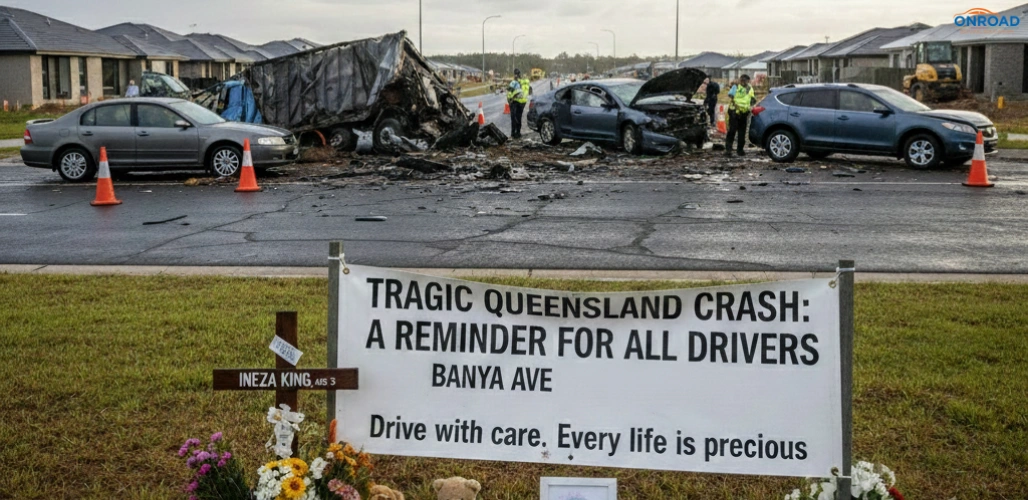
This article discusses the need for awareness and alertness in drivers and other road users regarding defensive driving, in the aftermath of the tragic Queensland crash, which took the life of a 3-year-old and is still being investigated.
A tragic traffic crash on Banya Avenue on Queensland’s Sunshine Coast has sparked outrage and sorrow among the public. The crash claimed the life of three-year-old Ineza King after a truck collided with multiple vehicles stopped in traffic. While the incident is still under investigation, it has already shaken communities and served as a painful reminder of how a single decision on the road can affect the lives of so many others.
In the aftermath of this tragedy, what comes out is a glaring truth: Road safety is the responsibility of each and every road user. The crash may have occurred in Queensland, but its lessons apply everywhere, including Sydney and across New South Wales. Whether you’re a learner, an experienced motorist, or a professional driver, it’s important to pay attention to distance, alertness and decision-making abilities every time you get behind the wheel.
Why These Tragedies Matter to All Drivers
It’s easy to think that serious crashes only happen in extreme circumstances. However, the harsh truth is that the decisions we make lead to these crashes. A moment of inattention or misjudgement can carry irreversible consequences. Whether you’re waiting in a traffic jam or involved in an extreme situation, staying safe, alert, and attentive to your surroundings can help you avoid any unfortunate incident. That’s why reputable Sydney driving school stress teaching defensive driving skills to their students. It can help them learn how to anticipate danger before it unfolds and take decisive and protective action.
What Learner Drivers Can Learn
1. Keep a Safe Following Distance
Most accidents are a result of drivers failing to maintain safe driving distances or driving distractedly. If you don’t keep a safe distance from the vehicle in front of you, you don’t get enough space to stop safely when required. Leaving enough space between your car and the one ahead gives you critical reaction time when traffic suddenly slows or stops. Keeping a safe distance is essential in heavy traffic and near intersections.
2. Be Extra Alert Near Intersections
Intersections are the busiest areas of any road network, and also the riskiest. Whether it’s a pedestrian crossing suddenly or a vehicle stopping unexpectedly, there’s always something to be careful about. Make sure to approach with caution instead of false confidence. Staying alert and scanning well ahead can help you spot trouble early.
3. Expect Other Drivers to Make Mistakes
Most drivers think that they’re careful drivers, and also don’t expect others to make mistakes. But that’s a big mistake. Accidents often happen due to a second’s distraction or miscalculation. From drivers braking suddenly, misjudging gaps, or failing to notice hazards ahead, there’s a lot that could go wrong. Instead of just reacting to them, learn to plan for mistakes. This is the core principle taught in the Safer Drivers Course and other defensive driving courses.
4. Speed Choice Matters More Than the Limit Alone
Driving safely is not just about driving at the posted speed limit. It’s also about adjusting your speed according to traffic density, visibility, weather, and road conditions. Adjusting your speed to specific conditions, especially in queues, can prevent catastrophic outcomes.
5. Heavy Vehicles Need More Space
Trucks and large vehicles take significantly longer to stop than cars. So, when there’s enough traffic to form a queue, the risk of collision increases dramatically if you don’t maintain sufficient space between vehicles. That’s why it’s essential to maintain safe distances and avoid cutting in front of heavy vehicles, assuming they can stop quickly. Professional driving school courses often emphasise understanding how heavy vehicles behave.
6. Passenger Safety Is Everyone’s Responsibility
Proper restraints are essential for all passengers and should be used diligently. Correct restraints, seatbelts, and child seats save lives. They offer protection and keep the body contained and safe in the event of a collision. They’re one of the most powerful safety measures available, especially for children.
Final Reminder: Every Decision Counts
Road safety is a shared responsibility. Every choice, whether it's speed, spacing, attention, or patience, has consequences beyond ourselves. Tragedies like this remind us that arriving safely is never guaranteed, but it can be influenced by the decisions we make.
Whether you’re learning to drive or have years of experience, taking time to refresh your skills through a professional driving lesson with a Sydney Driving School can make a real difference. Onroad Driving School offers a wide range of defensive driving lessons and courses, delivering quality education with an excellent and professional team. Because safer roads begin with safer drivers.
Frequently Asked Questions
Q1. What caused the Queensland crash?
A: The incident is still under investigation. However, reports indicate multiple vehicles were stopped in traffic when a truck collided with them, highlighting the dangers of limited stopping distance and inattention.
Q2.What is the safest following distance in traffic?
A: A minimum of three seconds is recommended in normal conditions, with more space needed in heavy traffic, poor weather, or near intersections.
Q3.Why are heavy vehicles more dangerous in traffic queues?
A: Trucks are heavier and require longer distances to stop. If traffic suddenly slows, insufficient spacing can lead to severe collisions.
Q4.How can learner drivers reduce their crash risk?
A: By practising defensive driving, maintaining safe distances, adjusting speed to conditions, and gaining professional training through a driving school or the Safer Drivers Course.
Q5.Does taking driving lessons help experienced drivers, too?
A: Yes. Refresher driving lessons can help experienced drivers update their skills, improve hazard awareness, and correct risky habits.